Exploring Thin-Wall Casting: A Breakthrough Strategy in Aluminum Foundries
Thin-wall casting has arised as a considerable advancement in aluminum factories. This method permits the development of light-weight elements with minimal wall surface density, enhancing product effectiveness and lowering waste. Its applications cover different sectors, especially automotive and aerospace. Nevertheless, the change to thin-wall casting positions unique difficulties and requires careful consideration. Comprehending these characteristics might expose important understandings right into the future of aluminum production and its wider implications.
Comprehending Thin-Wall Casting Techniques
Thin-wall casting strategies transform the manufacturing of light-weight and complex aluminum parts. This method focuses on developing get rid of wall thicknesses as low as a few millimeters, greatly minimizing product use while keeping architectural integrity. The process usually entails innovative mold styles and precise control of metal flow, allowing for elaborate geometries that standard casting approaches can not attain.
Using techniques such as investment casting and die casting, producers can produce top quality parts with smooth coatings and marginal issues. The use of computer-aided design (CAD) and simulation tools further enhances the precision of the casting process, guaranteeing suitable efficiency in the final product - Aluminum Casting. Furthermore, the fast cooling mechanisms inherent in thin-wall casting contribute to fine microstructures, which boost the mechanical homes of the aluminum. Because of this, sectors varying from vehicle to aerospace progressively adopt thin-wall casting to fulfill the demand for efficient and innovative part manufacturing
Benefits of Thin-Wall Casting in Manufacturing
Thin-wall casting offers substantial advantages in production by boosting material effectiveness and enabling item weight reduction. By using less product while maintaining architectural integrity, suppliers can accomplish price savings and boosted performance. This strategy not only streamlines manufacturing procedures however also adds to much more lasting manufacturing techniques.
Improved Product Effectiveness
The pursuit of enhanced product effectiveness in manufacturing has resulted in the fostering of innovative casting methods, particularly in aluminum shops. Thin-wall casting exemplifies this improvement, permitting a substantial reduction in the quantity of metal required for production without endangering architectural honesty. This strategy minimizes waste by utilizing less aluminum, which not only preserves sources but likewise reduces prices connected with materials and energy usage during the casting process. In enhancement, the precise control over the thickness of the walls enables producers to optimize layouts for specific applications, leading to improved production rates and decreased cycle times. Eventually, thin-wall casting stands as a sustainable service, advertising far better source monitoring and adding to an extra ecologically accountable manufacturing landscape.
Enhanced Product Weight Reduction
While conventional casting techniques commonly cause much heavier elements, the fostering of thin-wall casting methods significantly improves product weight decrease in production. This cutting-edge strategy permits the production of lighter aluminum components without endangering architectural stability. By utilizing thinner walls, suppliers can achieve significant decreases in material usage, causing lower total weight. Decreased weight adds to improved performance in different applications, specifically in the vehicle and aerospace industries, where every gram conserved improves gas performance and general efficiency. Furthermore, lighter items commonly lead to set you back savings in shipping and handling. As industries progressively focus on sustainability, the capacity to generate lighter components via thin-wall casting straightens with efforts to decrease ecological impact while keeping premium criteria in production.
Applications of Thin-Wall Casting Across Industries
Thin-wall casting has actually found substantial applications across numerous markets, especially in vehicle, aerospace, and customer electronic devices. In the automotive field, developments concentrate on light-weight components that enhance gas effectiveness. Likewise, aerospace makers utilize thin-wall casting for precision parts that satisfy rigorous efficiency requirements, while customer electronic devices gain from lowered weight and raised design adaptability.
Automotive Industry Innovations
Technologies in the automobile sector have actually embraced thin-wall casting strategies to improve efficiency and decrease weight in automobile elements. This strategy permits producers to produce intricate forms with thinner wall surfaces, leading to a significant decline in the total weight of parts such as engine blocks and transmission real estates. The outcome is boosted gas effectiveness and minimized emissions, lining up with contemporary environmental standards. In addition, the accuracy supplied by thin-wall casting makes it possible for tighter tolerances, boosting the general high quality and fit of parts. As automotive layouts remain to evolve towards efficient and light-weight solutions, thin-wall casting is becoming progressively crucial, giving suppliers with the capability to meet both efficiency goals and regulative requirements effectively. This method is reshaping how cars are generated for a sustainable future.
Aerospace Component Production
An expanding variety of aerospace manufacturers are taking on thin-wall casting strategies to generate high-performance components with decreased weight and boosted structural stability. This ingenious approach allows the creation of complex geometries that are vital for optimizing aerodynamic efficiency. With the aerospace sector's increasing emphasis on fuel performance and sustainability, thin-wall casting supplies a calculated benefit by lessening product use while preserving stamina. Significantly, parts such as brackets, real estates, and engine components benefit from this strategy, as it allows for tighter tolerances and boosted surface area coatings. Furthermore, the lowered weight of these components contributes to general airplane efficiency, causing lower operational expenses. As the demand for sophisticated aerospace remedies continues to expand, thin-wall casting is poised to play a substantial function in future manufacturing procedures.
Customer Electronics Manufacturing
In the domain of customer electronic devices production, manufacturers are significantly transforming to advanced casting strategies to boost their product styles and performance. Thin-wall casting, especially, permits the creation of light-weight, complex elements that meet the needs of modern-day gadgets. This method helps with the manufacturing of high-precision get rid of minimized product usage, driving price performances. Additionally, the enhanced mechanical buildings of thin-walled aluminum components add to much better thermal administration and longevity in electronic tools. Firms utilize thin-wall casting to generate real estates, structures, and inner structures, making it possible for sleeker designs without compromising performance. As customer expectations progress, the fostering of thin-wall casting is anticipated to continue growing, placing suppliers at the center of innovation in the competitive electronic devices market.
Comparison of Thin-Wall Casting and Typical Casting Methods
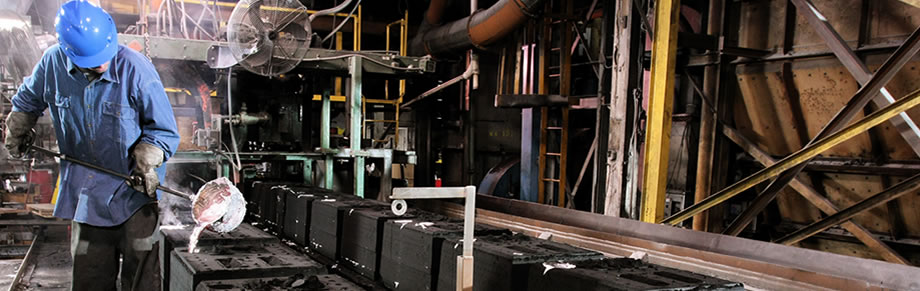
In addition, thin-wall casting allows for faster air conditioning prices, which can enhance the total surface coating and dimensional precision of the castings. Traditional methods, on the other hand, might need additional machining processes to accomplish preferred resistances. Ultimately, the choice in between these techniques depends upon the certain application requirements, with Website thin-wall casting emerging as a premium alternative for light-weight, high-performance components in numerous industries.
Obstacles and Factors To Consider in Thin-Wall Casting
Thin-wall casting provides a special set of difficulties and factors to consider that should be dealt with to maximize manufacturing and ensure quality. Metal Casting. One main challenge is making certain appropriate steel flow throughout the casting procedure, as thinner wall surfaces can cause premature solidification and incomplete filling of molds. Additionally, maintaining dimensional accuracy is crucial, as even small variants can impact the performance of the last item
Thermal monitoring is an additional substantial factor to consider; quick air conditioning can introduce stress and anxieties that compromise architectural stability. Factories need to likewise navigate the boosted risk of problems, such as porosity and surface area imperfections, which are extra obvious in thin-walled designs.
The choice of appropriate alloys and maximized gating systems is crucial to improve yield rates and reduce waste. These considerations call for a mix of competent labor, specific design, and rigid quality assurance measures to successfully apply thin-wall casting in aluminum foundries.
The Function of Modern Technology beforehand Thin-Wall Casting
As advancements in innovation remain to improve the shop sector, cutting-edge methods are emerging to improve thin-wall casting processes. The combination of computer-aided layout (CAD) software application enables exact modeling of complicated geometries, making it possible for suppliers to maximize mold and mildew designs that decrease material usage while keeping architectural honesty. On top of that, the application of innovative simulation devices help in forecasting prospective issues and optimizing cooling rates, making certain uniform density and decreasing the chance of bending.
Future Patterns in Aluminum Production and Thin-Wall Casting
Arising patterns in aluminum manufacturing and thin-wall casting are positioned to substantially improve the industry landscape. As suppliers increasingly focus on sustainability, developments in reusing processes and decreased energy usage are becoming extremely important. Advanced techniques and materials investigate this site are promoting the manufacturing of lighter, more powerful aluminum elements, providing to fields like automobile and aerospace that demand efficiency and efficiency.
The combination of electronic technologies, including man-made intelligence and artificial intelligence, is simplifying operations, improving quality assurance, and reducing waste. Furthermore, additive production is gaining grip, enabling for fast prototyping and customization in thin-wall casting applications.
Collaboration between academic community and industry is cultivating research into new alloys and casting techniques, guaranteeing continual renovation. As these fads converge, they assure to raise the capabilities of aluminum foundries, placing them for an affordable future, while likewise dealing with the ecological challenges connected with typical manufacturing techniques.
Regularly Asked Questions
What Materials Are Frequently Utilized in Thin-Wall Casting?
Common products utilized in thin-wall casting include aluminum alloys, specifically those with high fluidness, such as A356 and A380. These alloys allow the manufacturing of light-weight, durable parts with superb mechanical residential properties and surface area coatings.
Just How Does Thin-Wall Casting Influence the Environmental Impact?
Thin-wall casting minimizes the environmental footprint by reducing material waste, lowering power usage during production, and making it possible for lighter elements that improve gas effectiveness in transportation. This technique advertises sustainability in making procedures and resource preservation.
What Is the Price Contrast Between Thin-Wall and Conventional Casting?
Thin-wall casting normally incurs lower production prices compared to conventional casting as a result of minimized product usage and much shorter cycle times. First configuration and technology financial investments can be higher, influencing overall cost-effectiveness in details applications.
For how long Does the Thin-Wall Casting Refine Typically Take?
The thin-wall casting process usually takes less time than conventional approaches, commonly needing several hours to a few days, depending upon the intricacy and size of the parts, along with moved here the certain foundry conditions.
Are There Details Qualifications Required for Thin-Wall Casting?
Yes, details certifications are commonly needed for thin-wall casting, including quality administration criteria like ISO 9001 and industry-specific accreditations - Metal Foundry. These assurance compliance with safety, efficiency, and environmental policies in aluminum shops
Using techniques such as investment casting and pass away casting, producers can produce high-quality parts with marginal problems and smooth coatings. While traditional casting methods usually lead to larger elements, the adoption of thin-wall casting techniques substantially enhances product weight decrease in production. While typical casting techniques have served the market for years, the appearance of thin-wall casting has actually presented significant benefits that call for contrast. Thin-wall casting permits for faster cooling rates, which can enhance the total surface area coating and dimensional accuracy of the spreadings. Thin-wall casting generally incurs lower production prices compared to conventional casting due to lowered product use and shorter cycle times.